








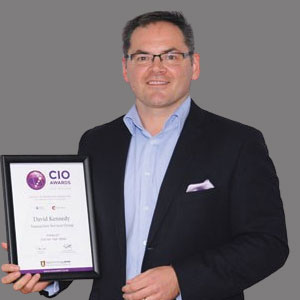
David Kennedy, Group CIO, Transaction Services Group
The consensus of individuals in higher education today is to create something that’s going to make them a billionaire. The stories of global success are plentiful and provide an alluring future state for any young business individual. Now, of course, the clear majority of these people fail to become billionaires so what happens to them? They filter into today’s businesses, their entrepreneurial spirit still burns bright inside them, and this is changing businesses from the ground up. This seismic shift in the mentality of the workforce is driving a need for a new, dynamic, and less risk adverse CIO to provide them with the tools to utilize that spirit for the betterment of companies across the globe. I call it the Digital Revolution.
As a CIO, our duty is to recognize employee’s talents and dreams and help them achieve through the system and processes we produce. My role as a CIO is to focus on processes, technology, and platforms by which people can believe that anything is possible. The role is about managing stakeholders and creating opportunities for anyone to succeed.
Values that will enhance your business ideas
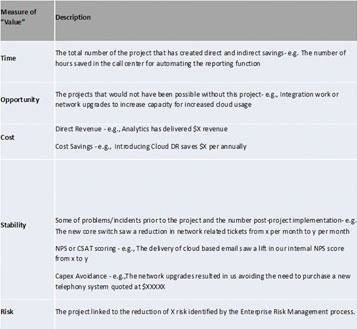
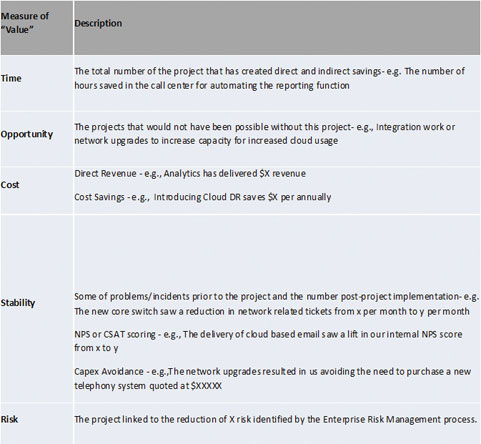
Today’s CIO has to be a conjugate for discussion and understanding about an idea that an individual thinks will add value. Though the idea might create an absolute market value in one area, it may diminish the market value of another field. So, to balance this, I use a very simple value table across the whole group. The “Value Matrix” is split into five sections:
So this is the five values that I use with my team to define which one of these many ideas we have is going to be deployed. This consistent view of value is helping people transform their spheres of influence by identifying the most valuable use of time and resources. It’s changing the game for TSG.
Leveraging technology and workforce
Sometimes as a CIO, you may be putting your company at a major competitive and financial disadvantage if you haven’t reacted to the game-changing innovations in the market. Even if you have planned and positioned for this change, developing consistent approaches to implementing solutions is crucial to success.
Leveraging technology for an internal purpose is important as it provides flexibility and allows the individual to expand and succeed
Leveraging technology for an internal purpose is necessary as it provides flexibility and focuses an employee’s idea. It shifts an environment from one they feel they can work and expand, to create an environment that they truly believe will offer success and personal satisfaction in our respective areas.
It is important that we challenge our teams – to note where we started, then prove how far we have come and how much value we have generated. This process allows people to test their thoughts themselves and build confidence and start experiencing their ideas. Essentially what the CIO does is prepare their employee for the journey of the project.
What makes a leader a better leader?
After spending ten years in KPMG, I figured out there are certain factors that help the leader to become an inspiring leader. Thinking innovative is a major aspect; innovation is creating something that no one has done before. The whole thing about creation at some point is you go through an emotional journey. You start up with confidence, and at some point, you will lose confidence, and sometimes you might think I don’t know what I’m doing, but that’s okay. Being a leader is all about being there with your team navigating this emotional journey.
When we add value to our journey, we are adding value to our project or company. Casting any hierarchy or any seniority is something we don’t expect from our leader. I think we all want to achieve something; it may just be different things to accomplish. Solving problems together as a team and setting a will and emotion to create a solution in the future is how you gain a satisfying experience.
Conclusion
The role of CIO has evolved over the years and the way the CIO thinks vastly influence the way their employees think and execute their work. We have some of our own experiences; so it’s my responsibility as CIO is to provide best possible experiences for every member of my group. I take personal accountability to make sure the experiences we give to our people are exciting and enable them to continue with their ideas. Individual development is important to me; it’s as important as business strategy. It doesn’t matter if someone wants to be a personal trainer or a botanist in the future. I am more focused on how we can work together today to help us both on our journeys. What can we do together to make sure both of our journeys are aligned. Once you crack this puzzle result is phenomenal.