

A featured contribution from Leadership Perspectives: a curated forum reserved for leaders nominated by our subscribers and vetted by the Construction Tech Review Advisory Board.

Grupo Herdez
Maximizing the use of procurement technologies

Javier V. Carnevali P.
On several occasions I have been asked how can a company maximize the use of the available technologies to improve the performance of the procurement process.
The success in the implementation and use of any tool that supports the Procurement process depends mainly on 4 elements: Process, Structure, Technological Platform and people´s Competencies.
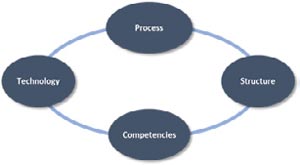
Figure 1.- Elements for maximizing the use of technology
It is difficult to achieve a successful implementation if any of these components are not aligned to the others. An implementation strategy must be defined to ensure consistency among these four elements. Otherwise, efficiency and effectiveness in the performance of the Procurement area will be lost.
Suppose that a company wishes to acquire technological tools to improve its Procurement processes. There are various types of tools, each with different functionalities and scopes. At a general level, the tools that exist in the market respond to different needs to support specific processes carried out by the Procurement area. The most common are:
● Strategic Sourcing or Strategic Supply (S2C)
● Procurement or operational purchases (P2P)
● Spend Analysis
● Contract Management (Contract Management)
● Supplier Relationship Management
There is an almost direct correlation between the process that is supported and the modules of the existing technological tools. This allows a company to acquire only the modules that they need according to the maturity of its Procurement area. It is possible that a company has already managed to implement a system to carry out Operational Purchases and is evaluating options to support other processes. Other companies could already have tools that allow the automation of Supply and Operational Procurement processes and only want to support additional processes such as Contract or Supplier Management. In the following graph we can identify that there is a direct relationship between the maturity level of the Procurement area and the type of tools that have been implemented to support their Procurement processes (see figure 2).
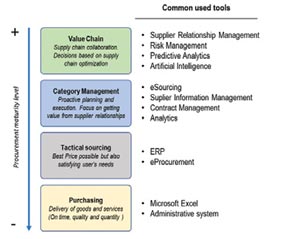
Figure 2.- Technological solutions according to the maturity level of Procurement
Regardless of the maturity level, when deciding to implement a new technological tool, there must be alignment between each of the elements.
Alignment between Process and Structure
The relationship between the Processes that must be executed and the organizational structure is key to achieve efficiency in the performance of any area of the company.
The evolution of the Procurement Process has been accelerated in recent years. Mainly due to the pressure to improve the response capacity of the area in terms of ensuring optimal spending to improve profitability, ensure the supply of products and services in the most efficient way possible and anticipating and mitigating any risk of supply that may exist.
This need to take the Procurement area to a "next level" requires Processes capable of generating results that allow these challenges to be met.
It is usual that in this stage of evolution of a Procurement area it is necessary to separate 3 processes: Strategic Supply, Operational Procurement and Support.
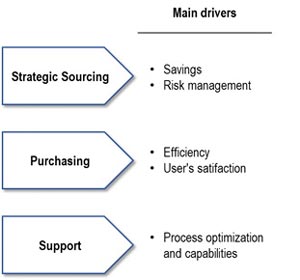
Figure 3.- Processes of a modern procurement organization
Each process has a different “driver”. The "driver" is what moves or encourages the people who execute the process. It is the indicator under which their performance should be measured (figure 3).
This differentiation of Processes allows each of them to focus on generating specific and concrete results. The Strategic Sourcing process is designed to optimize spending while minimizing supply risks and support innovation programs. The Purchasing process must satisfy the needs of the users, who normally want the purchase to comply with time, quality and quantity requirements.
The Support processes serve to improve the productivity of the other two processes, through activities related to catalog, supplier and contract management.
When implementing these new Processes, it is important to prevent them from being executed by the same previous Procurement structure. In order to maximize the productivity of the area, it is necessary to restructure the way in which authority and responsibilities were distributed.
Typically, in a Procurement organization structured by functions, each buyer is responsible for the execution of activities in a specific group of materials or for a certain geographical location. For example, a Buyer A who is responsible for Procurement Raw Materials and performs activities of listing, searching for suppliers, negotiating, preparing, shipping and monitoring purchase orders and in some cases even monitoring the payment to suppliers of raw materials. Another Buyer B is responsible for the purchase of Packaging and performs the same activities, but with another group of suppliers and so on, there are buyers of Spare Parts, Services, Office Supplies, technology, etc. Each buyer is measured by the same performance indicators and their "driver" is to save and at the same time ensure supply in a timely manner.
New Processes require a New Structure. The alignment between the new processes to be executed and a new way of organizing people is key to the success of the area. Each Process must be executed by a group of people who have the necessary means to do it productively. The name that finally remains in the structure is variable, the important thing is that the responsibilities that each one will have in the execution of the new processes are clear (see figure 4).
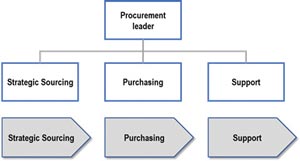
Figure 4.- New Procurement Structure executing New Processes
In the new structure, those responsible for executing each process are in a different area and can focus all their time, effort and knowledge on improving their process more and more.
It is important that each area requires results in accordance with what is expected of the process they execute. Once an organization by Process is implemented, we must measure the results of the Processes according to the correct "drivers". We cannot expect speed in the purchase from Strategic Sourcing and we should not expect savings from Purchasing. Each Process is required to do what it was designed for and no more.
Alignment between Processes and Competencies
Just as each Process is executed by a different group of people, the profile of each of the positions in the structure must be different. We cannot pretend that someone with an ideal profile to execute the Supply process is the one who executes the Strategic Supply process and vice versa.
However, what can be done is to design a development program where the skills of the people who execute a process are developed so that they are capable of executing other processes. Typically, reorganization processes represent an opportunity for the development of the organization's talent because new skills and knowledge are required in people and whoever has these skills and knowledge will have a guaranteed career plan.
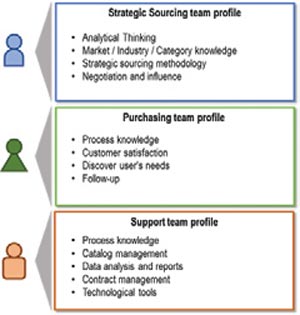
Figure 5.- People's profile of a modern procurement organization
We have to assign the responsibility of executing the new Processes to people who have the required competencies to do so, in this way we guarantee that the Process generates the expected results.
Alignment between Processes and the Technological Platform
Until now we have a few new Processes being executed by groups of dedicated and expert people in each process. With these bases we are ready to consider how we can automate processes and what tools we can give people to be more productive in their work.
Many companies that have gone through ERP implementation processes already have a tool that allows them to record purchase and payment transactions to suppliers. However, there are activities in the Procurement process that do not necessarily have the support of any module of these systems. To this end, companies that develop software and computer applications have increased the scope of these tools so almost the entire Procurement process can be automated. Obviously implementing them or not depends on the return on investment in these tools.
In figure 6 you can see the functionality that are typically included in the different modules of a procurement platform.
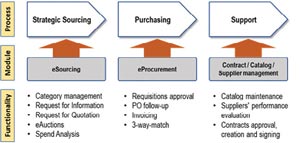
Figure 6.- Main functionalities of the tools that support each Procurement process
Just as we have said that there are specific competencies required to execute each process, in the same way the tool assigned to people must be able to support the process and provide them with the necessary means to execute the activities efficiently. Furthermore, mastery of the technological tool will become a key competence to develop in the staff.
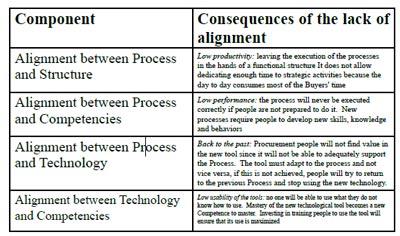
The following table shows what could go wrong if we do not achieve an alignment between the components:
The evolution of the Procurement area requires the implementation of new technological tools. To guarantee the success in the implementation of these tools, it is necessary to ensure that there is an alignment between the Processes, Structures, People's Competencies and the Technological Platform. This alignment will make it possible to optimize the synergy between each of the components and ensure good performance in the Procurement area. The investments in these tools are significant, however, they generate a significant return on investment if their use is maximized according to the level of maturity of your Procurement organization.
