

A featured contribution from Leadership Perspectives: a curated forum reserved for leaders nominated by our subscribers and vetted by the Construction Tech Review Advisory Board.

Casa Hospital San Juan de Dios
Utilizing Technology to Manage Prevalent Chronic Disease
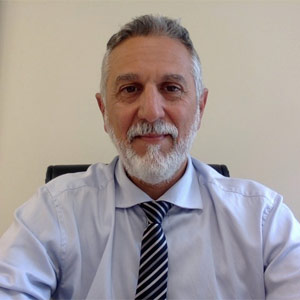
Pablo Arabarco
The increase in the prevalence of chronic diseases has changed the demand on the health system in recent years. The traditional hospital-centered care model is clearly deficient in achieving optimal control of these pathologies. In the hospital-centric radar model, the health teams contact their patients and obtain data that helps them guide their treatments; but this data, which is gathered during the meeting, constitutes a minimal percentage compared to the amount of data related to the patient's health that is created while they are outside the hospital's radar. In this care model, the patient has little participation in the decisions taken regarding their health, and the doctor adopts a paternalistic role. Some of the problems related to the mismanagement of these diseases arise from not following the treatment, the absence of controls at the indicated times, the lack of education of patients regarding their disease, difficulties in gaining access to an appointment with their doctor, and the late detection of treatment failures or complications arising. I believe that the failure of chronic disease control is partly due to these aspects that I have mentioned. Chronic diseases necessitate a stronger connection between patients and health teams, as well as patients being included in the healthcare team, participating in decisions, and becoming more involved in disease management.
The advent of smartphones and wearable devices like smartwatches opened a new possibility, generating an immense amount of health data such as heart rate frequency, oxygen saturation, blood pressure, physical activity, and even heart rate, which is not incorporated into the health information systems and is not available for the health teams to use for decision-making.
Medical devices such as blood glucose meters for diabetic patients, blood pressure meters, devices used for the treatment of sleep apnea, and many more offer the possibility of exporting the health data obtained. This possibility could be connected to the medical history of the patients and linked to an alarm system established by their doctor. If a glucose sensor detects three episodes of hypoglycemia, it may alert their doctor and request a teleconsultation to adjust their treatment. The latter is just one example of how I believe technology can potentially contribute to improving oversight and adherence to treatment in patients with prevalent chronic diseases.
Mobile applications for patients that are integrated with their medical records could also be used to educate patients about their disease by improving access to quality information and facilitating more fluid communication with the treating medical team.
This possibility could be connected to the medical histories of the patients and linked to an alarm system established by their doctor
In conclusion, I believe that we are witnessing a shift in the care model of our patients, partly driven by a change in diseases and the need that arises from that to change the care model to achieve good results, and partly driven by the possibilities that technology offers us today to access a large amount of data about our patients’ health, which, in my opinion, will allow us to make better decisions. Therefore, it would be interesting to develop tools that allow the integration of the patient into this new model of care, contribute to a better patient experience for patients with prevalent chronic diseases, and perhaps improve health outcomes.
