


Jorge Fernandes
Building Networks Ready for Change
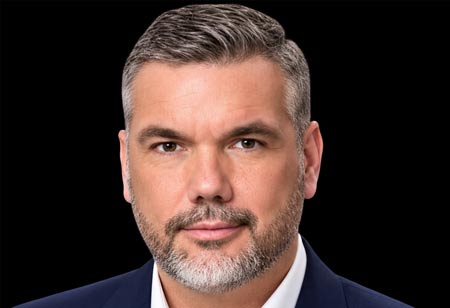
Managing Technology Beyond the Network
The scope of responsibility for telecommunications technology leaders is expanding. The performance of the network still matters, but customers' expectations are increasingly driven by cloud technology, digitization, cybersecurity and artificial intelligence.
This is where Fernandes comes into play. His duties are not only about ensuring that everything is connected. They consist of assessing how technology will affect the future needs of services while taking into account costs, resilience and timeliness.
It is rare that decisions can be made in silos in telecommunications companies. Even changes in a network structure can have an impact on customer relations, enterprise solutions and capital expenditure in different markets. The job that Fernandes does requires thinking ahead about the impact of technology choices, which might become clear only after several years.
This approach to the problem has been growing more and more important as the telecommunications industry examines how to use new technologies in its existing environment.
Turning Infrastructure Into Business Capability
Discussions about technology tend to revolve around the rollout of hardware and the application of software. However, it is important to ensure the relevance of the infrastructure as business needs change over time.
In this regard, it is interesting to note Fernandes' public advocacy for software-defined network technologies, automation, and cloud-based systems. These reflect a concerted effort on his part to push telecoms technology towards solutions that allow for agility.
Indeed, the impact of such efforts is made clearer by taking into consideration the extent of his responsibilities. Serving millions of clients and enterprise clients necessitates the need for technology that is reliable while still providing leeway for additional services.
It should be noted that his experience working with several international telecommunications companies has exposed him to various regulatory regimes, different investment schedules and varying client expectations. This seems to have influenced his approach towards leadership and implementation over adoption.
Keeping Emerging Technology Grounded
Artificial intelligence is now a topic that comes up in almost every area of technology. Because AI initiatives frequently rely on network performance, data management, and infrastructure preparation, telecommunications leaders face additional complexity.
Fernandes has discussed the connection between future digital capabilities, such as AI-enabled services, and network upgrading. The deployment of new tools is not the only topic of discussion. It entails setting up the underlying technological environment necessary for those tools to function efficiently at scale.
Making disciplined decisions is necessary for such preparation. Technology executives need to assess how infrastructure investments fit with long-term company goals, where automation enhances results, and where human control is still required.
These choices are made throughout a network footprint that supports enterprise clients, consumer services, and regional connectivity needs within Singtel's technology division. Technology planning is inextricably linked to more general business realities due to the role's nature.
A realistic grasp of the relationship is evident in Jorge Fernandes' leadership. He continues to concentrate on building technological underpinnings that can meet future needs without neglecting present responsibilities. The lesson is simple for telecom CEOs dealing with comparable constraints. Sustainable technological progress focuses less on pursuing every emergent trend and more on constructing ecosystems capable of adjusting when substantial change happens.
