Kanata
A Cloud-Based EMR with Speech Recognition and Parsing

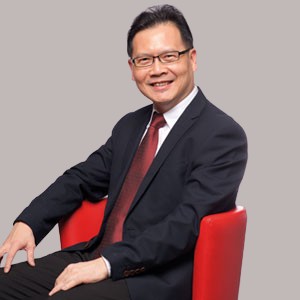
 Fuyuo Takiuchi, Representative Director
Maintaining Patient Data As It Is
The market already witnesses the presence of several electronic medical records that utilize speech recognition technology. These systems, however, just convert speech into text. Voice-Karte, on the other hand, can issue orders directly from a speech by parsing the text converted from the conversation. “Text alone does not contribute to the efficiency of labor in the medical field and the reduction of work burden,” adds Takiuchi, explaining the significance of speech recognition in maintaining EMRs. Voice-Karte uses a monitor screen, not for input, but rather for checking orders and referring to past medical records. It allows medical professionals to leave all the input to the microphone, which focuses on the conversations with the patients.
Kanata’s EMR leverages parsing, which breaks down speech-converted text data into words and parts of speech. Takiuchi defines this functionality with an instance where a doctor tells a patient that the name of the disease is influenza. The doctor further suggests the patients take five days’ worth of Tamiflu. In this case, the parsing engine runs with one click, extracts “Influenza,” “Tamiflu,” and “five days worth,” and posts it to the temporary order creation screen. On the provisional order screen, all the disease and drug names similar to the above are displayed. Since the disease name and the drug recommended by the doctor from the next day are displayed on the temporary order screen, the operability increases day by day. After the patient leaves the room, the order is issued, and the appropriate drug name is selected.
The company’s solution also proves significant for use in home healthcare and facilities for the elderly. While visiting a patient at home, doctors have to record important information at the time of examination, such as the change in the patient’s physical condition and the degree of care fatigue of the family. Although this can be done using a recorder, the transcription of the recorded texts becomes a heavy burden on the staff in such instances. Another choice for a doctor in these cases is making a note, which reduces the possibility of documenting the exact information collected at the patient’s home as it is entered in the medical record after returning to the clinic. Hence, Voice-Karte is an ideal solution to be used for home healthcare as it is cloud-based and can be used on tablets and smartphones in the affected homes.
Functionalities beyond Patient Examination
The functionalities of Voice-Karte, however, go beyond its usage in the examination room. It can even be used for reception services such as telephone calls and e-mails for reservations and inquiries. For example, by texting and parsing the voice on the phone, it is possible to register the reservation system, access Google Calendar, and issue a reservation slip. The answering machine can also handle the queries without engaging a full-time resource at the front desk. The same way, Voice-Karte also manages the e-mail inquiries. “By generating data from texts extracted by telephone, e-mail, and OCR (optical character recognition) processing, not just for conversations during examination but also for sharing it with staff members, it is possible to centralize information that tends to be buried in individual staff members,” adds Takiuchi.
These features will make Voice-Karte an alternative to medical secretaries. And every healthcare professional, not just a doctor, needs a secretary. For example, a nurse must work while taking notes of a patient’s data and they work overtime to post data and notes from memos to EMR.
Takiuchi realized the need when his son was hospitalized for leukemia on March 26, 2018 and left for heaven on May 13, 2019. In the meantime, the healthcare workers who were in charge of him such as nurse, nursery, cleaning, and so on seemed really busy, but gently faced his son. Through this experience, Takiuchi pledged his son to create an environment where all healthcare professionals could concentrate on patient care and named his company after his son, Kanata.
In order to realize this philosophy in a world where various electronic medical records are provided, Kanata plans to release a service that connects the parsing function of Voice-Karte to electronic medical records and medical systems of other companies soon.
Functionalities beyond Patient Examination
The functionalities of Voice-Karte, however, go beyond its usage in the examination room. It can even be used for reception services such as telephone calls and e-mails for reservations and inquiries. For example, by texting and parsing the voice on the phone, it is possible to register the reservation system, access Google Calendar, and issue a reservation slip. The answering machine can also handle the queries without engaging a full-time resource at the front desk. The same way, Voice-Karte also manages the e-mail inquiries. “By generating data from texts extracted by telephone, e-mail, and OCR (optical character recognition) processing, not just for conversations during examination but also for sharing it with staff members, it is possible to centralize information that tends to be buried in individual staff members,” adds Takiuchi.
These features will make Voice-Karte an alternative to medical secretaries. And every healthcare professional, not just a doctor, needs a secretary. For example, a nurse must work while taking notes of a patient’s data and they work overtime to post data and notes from memos to EMR.
Takiuchi realized the need when his son was hospitalized for leukemia on March 26, 2018 and left for heaven on May 13, 2019. In the meantime, the healthcare workers who were in charge of him such as nurse, nursery, cleaning, and so on seemed really busy, but gently faced his son. Through this experience, Takiuchi pledged his son to create an environment where all healthcare professionals could concentrate on patient care and named his company after his son, Kanata.
In order to realize this philosophy in a world where various electronic medical records are provided, Kanata plans to release a service that connects the parsing function of Voice-Karte to electronic medical records and medical systems of other companies soon.