

A featured contribution from Leadership Perspectives: a curated forum reserved for leaders nominated by our subscribers and vetted by the Construction Tech Review Advisory Board.

SIPEF
Standardizing Operations Across Global Plantations

Daniel Suraboyini
Daniel Suraboyini is the Global Chief Information Officer at SIPEF, a leading Belgian agro-business group committed to the production of high-quality, sustainable and traceable tropical agriculture commodities, such as palm oil and bananas. With nearly three decades of experience across public sector, manufacturing, aviation, agribusiness, shipping and IT consulting. He has led large-scale global transformations, focusing on aligning technology with business strategy, understanding ground realities and building scalable, sustainable digital ecosystems.
Understanding the Ground Before Driving Change
With nearly three decades of experience across public sector, manufacturing, aviation, agribusiness, shipping and IT consulting, I have learned that transformation succeeds only when technology, people and business strategy move together. Leading teams across continents also reinforces the importance of cultural sensitivity and collaborative leadership in driving transformation at scale. That belief continues to shape how I approach modernization today.
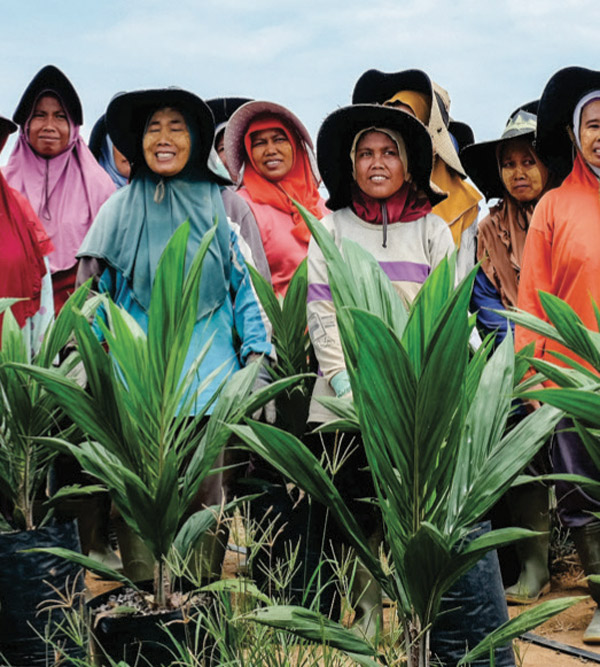
When I joined SIPEF, I stepped into a unique environment that required rethinking enterprise assumptions. Plantation operations span diverse and often remote geographies across different countries, where teams work in varied field conditions and adapt to different levels of infrastructure. The agrobusiness group counts more than 24,000 employees across four continents, and provides schools, clinics and infrastructural services connected to its operations.
Operating in field-based operations with a strong reliance on manual processes requires a different approach to modernization. I regularly visit our different locations to understand how work is actually carried out before introducing digital solutions.
At SIPEF, understanding before deploying is not a one-time insight, but a repeatable discipline that guides how we identify opportunities, design systems and scale change. Driving adoption also means engaging closely with teams, addressing resistance and ensuring solutions are intuitive enough for non-digital-native users.
Building a Structured and Scalable Transformation
To bring our operations onto a common path, I structured SIPEF’s modernization around the Seed-Plant-Fruit framework, which forms the backbone of our Be One Digital transformation initiative.
Seed focuses on building a strong foundation through enhanced infrastructure, robust architecture, secure communications and a unified digital workplace. Plant builds on that foundation by digitalizing core business processes across plantation operations, supply chain and enterprise integration. Fruit completes the journey by translating digital capabilities into tangible business value through analytics, predictive insights and emerging technologies that enable faster decision-making and increased productivity.
What makes this framework effective is that it creates a clear and disciplined progression rather than a set of disconnected initiatives. It starts with strengthening the foundation, followed by standardizing execution and ultimately leveraging data and insights to make outcomes more measurable and actionable. Shared digital platforms across global teams also require inclusive governance, regional participation and agile delivery, ensuring that transformation is shaped in close collaboration with the business rather than imposed on it.
-
Transformation succeeds only when technology, people and business strategy move together.
This execution model is particularly valuable in a global organization like SIPEF, where transformation needs to work seamlessly across different cultures, time zones, infrastructure contexts and levels of digital maturity. We have therefore focused on a governance model that actively involves regional teams in system design, while agile delivery enables continuous feedback, rapid iteration and a step by step adoption journey. In practice, that has been essential to building alignment and momentum across a globally distributed organization.
Decision-Making with Discipline
Every initiative is aligned with SIPEF’s Balanced Growth Strategy, where operational performance goes hand in hand with long-term sustainability and community impact. This is not just a value statement, but a guiding principle for how we make decisions. Technology investments are assessed against our long-term sustainability, modernization and digitalization goals, while also ensuring clear operational value, strong data reliability and seamless integration into our wider ecosystem.
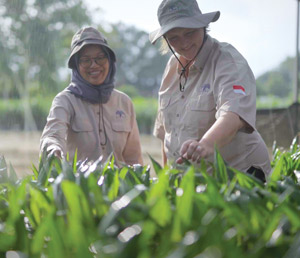
This is especially visible in our AI and data strategy. We are investing in enterprise data platforms on Microsoft Azure to bring together large volumes of operational data and convert them into more timely, uniform and intelligent decision-making across the Group. We see data as a strategic asset, and our focus is to move from fragmented reporting toward predictive and prescriptive analytics that enable the business to act faster and with greater confidence.
That same disciplined approach guides how we assess emerging technologies. We focus on solutions that are both innovative and practical in real-world conditions. For example, where drone-based fertilization faces regulatory and environmental limitations we adapt by exploring alternative approaches such as helicopter deployment. Similarly, we evaluate robotics and other remote technologies based on their ability to operate reliably in dense plantation conditions and align with local conditions across our regions.
Turning Visibility into Business Value
The impact of this approach is becoming increasingly visible across the business. We have developed geospatial capabilities that enhance land-use visibility, enable more effective plantation monitoring and support sustainable land management. These systems also support our compliance with Roundtable on Sustainable Palm Oil (RSPO) standards and zero-deforestation commitments which are essential for market access. In parallel, our traceability platform provides end-to-end product visibility across the supply chain, strengthening compliance, transparency and customer trust.
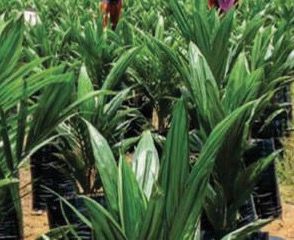
Within our palm oil mills and processing operations, we are introducing real-time monitoring, digital flow measurement and stronger production visibility. This reduces manual processes, improves accuracy and allows local teams to access critical information in real time. This supports faster, more informed decision-making while contributing to more efficient and sustainable operations.
Today, the CIO role extends well beyond overseeing systems and infrastructure. It calls for a broader leadership mandate, one that connects technology with growth, resilience, sustainability and sharper business decision-making. It also requires a clear-eyed view of emerging technologies such as AI, where opportunity must be balanced with risk and where cybersecurity and digital trust remain foundational. For me, effective technology leadership comes down to combining business understanding, execution discipline and innovation with a sustained focus on long-term value.
