


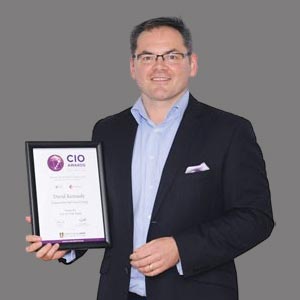









How digital tools are changing the radio industry
Tim Armstrong, the Director of Digital Capability and Data, NOVA Entertainment

Tim Armstrong, the Director of Digital Capability and Data, NOVA Entertainment
Tim Armstrong is in charge of building and enabling new digital and data capabilities across the NOVA Entertainment network. Tim has been associated with NOVA Entertainment for two- and a-bit years and oversees the alignment across Digital of technology, data, and operational frameworks enabled through people. Tim plays a crucial role in guiding the company’s digital transformation and building a strong digital and data infrastructure to promote audience expansion and revenue generation.
What is your role in NOVA Entertainment, and what have been your experiences in the industry up until now?My role at NOVA Entertainment is to build the digital platform of our future. Our company operates a large network of radio stations and podcasts, all of which have a digital presence. I ensure that our customers consume more content via digital assets. To necessitate this responsibility over time, we must create a diverse range of digital platforms, teams, and operational structures. So my responsibilities range from product engineering to platform and capability implementation, all the way to operations and delivery. In addition, I’ve taken on the duty of simultaneously assembling a data team. Over the last few years, my job has been to evaluate the business requirements to better align them with our business objectives. To utilise the technology to its full potential and reap its benefits, we invested a lot of time and resources into comprehending the currently available in the market and incorporating it into our operating model.
What are some of the digital tools that you are implementing to streamline the workflow of the radio stations?A customer data platform (CDP) is one of our most important digital tools. We can collect individual based behavioural data to support our first party strategy with the customer data platform, this is a significant change from traditional radio tools – also worth nothing this is accompanied by robust privacy mechanics to safeguard customer data. Additionally, this platform assists in managing and centralising customer data obtained through data collection processes for simpler data governance. The ability to segment customers effectively and efficiently with enables the businesses to have a deeper understanding of our customer and drive better outcomes. The relevant decision-making that this tool enables becomes even more valuable in driving decision making than the revenue it helps to generate.
We are also in the process of developing a larger, enterprise-wide data ecosystem. This ecosystem’s main goal is to centralise a larger collection of data (including aggregated data) and to raise the standard of the collected data that can be used to mobilise information across the organisation. Using a selection of digital tools ensures that the data is always accessible, unlike traditional radio systems where it is accumulated through surveys multiple times a year. People can have a more comprehensive overview of the organisational activities largely owing to the information gathered. If these tools are used effectively, and to their full potential, a significant competitive advantage can be achieved.
What are the challenges you face in implementing the right tools?The primary challenge is one of choice. When there are many platforms with negligible to no differences, the procurement process for a given platform must be simple and easy. Clarity of business principles regarding platform selection is another significant challenge. Vendors frequently can often confuse customers because they do not understand how a platform might fit into a company’s daily operations. NOVA Entertainment prefers to establish its business principles in a definite, concise way to avoid being distracted by these vendors and ensure informed selection decisions are made. The final major challenge stems from the breadth of a platform’s utility. For NOVA, the function and role of each platform were clear from the beginning, reducing unnecessary expenses.
It is fair for everyone to acknowledge that the technology space can appear convoluted and complex. However, we should give ourselves time to simplify, think strategically and methodically about how we approach that space.
At NOVA Entertainment, we made sure to choose platforms that are simple to use and based on a codeless interface. Operationalisation is an essential component of implementing any platform. In contrast to external training providers, we offer practical training to a few internal teams and select SMEs from these teams. These SMEs would train and involve more people in the conversation to increase the number of participants with a deeper comprehension and first-hand experience of the platforms. Training is necessary because adaptability is a challenge that technology comes with. We have realised that training in smaller batches is more effective than training in larger batches for a more personaliszed experience and better doubt clearing. Training is crucial because it aids staff members in understanding how and why a platform is utilised and in what context, improper platform usage could render them ineffective and have a negative impact on ROI.
What advice do you have for your peers in the industry and the readers?It is important to acknowledge the complexity of the technology sector. However, we must take our time and approach the area methodically. Communicating with companies that have ventured into a similar journey is one of the most valuable pieces of advice. We have communicated with businesses other than those in the media, such as banks, insurance companies, and healthcare organizations. Data and technology are influencing every industry and assisting in the efficiency of business workflows; as a result, networking with peers from different sectors and using their insightful criticisms can help a business expand over time to greater heights. However most of all let’s not forget everything starts with people.

