






APAC CIOOutlook
About UsConferencePartner With Us
  • Technologies
    • Blockchain
      Data Intelligence and Management
      Digital Transformation
      FinTech
      Generative and Agentic AI
      Low Code No Code
      Mobile Application
      Networking
      Robotics
      Storage
      Wireless
  • Industries
    • Automotive
      Aviation
      Banking
      Construction
      E-Commerce
      Food and Beverages
      Healthcare
      Insurance
      Logistics
      Manufacturing
      Retail
      Supply Chain
      Travel and Hospitality
  • Platforms
    • Microsoft
      Salesforce
      SAP
  • Strategic Solutions
    • Business Intelligence
      Contact Center
      Corporate Finance
      CRM
      Cyber Security
      Data Center
      Enterprise Asset Management
      Enterprise Performance Management
      IT Infrastructure and Services
      Managed Services
      Procurement
      Unified Communication
      Workflow
  • Home
  • CXO Insights
  • Leadership Perspectives
  • Innovation Insights
  • Research
  • News
  • Whitepapers
  • CXO Awards
#

Apac CIOOutlook Weekly Brief

×

Be first to read the latest tech news, Industry Leader's Insights, and CIO interviews of medium and large enterprises exclusively from Apac CIOOutlook

Subscribe

loading

THANK YOU FOR SUBSCRIBING

A featured contribution from Leadership Perspectives: a curated forum reserved for leaders nominated by our subscribers and vetted by the Construction Tech Review Advisory Board.

Fish & Richardson

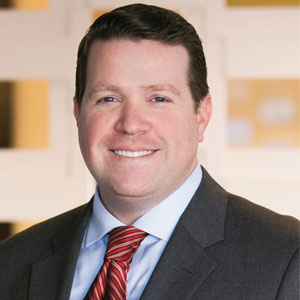
Daniel Lasman, CFO

Technology And Leadership Combine To Power Law Firms Through And Beyond The Pandemic

Daniel Lasman

Daniel Lasman

Prior to the pandemic, there was a strong presumption that most law firm administrative and business services jobs needed to be performed in the office, requiring in-person supervision. That belief has been severely tested and, in my opinion, shattered by the experience of the last five months of our work from home (WHF) environment. How is it possible that this long-standing, strongly held belief has been so thoroughly rebuffed?

I think a number of factors have led to the success of WFH, many of which have important implications for the future of administrative and business services support for law firms and other professional services firms.

Keys to Our Success

• Rock-solid IT infrastructure. Literally overnight, we moved to a WFH environment, meaning that instead of working from 14 offices, we were working from about 1,100 home offices. We tested as never before our IT hardware and software, particularly our server capacity, cyber security, and email and video capabilities, and these critical elements were clearly up to the challenge. We had the right hardware and software required to continue operating with almost no hiccups. A good illustration of our readiness is our Administrative Hub in Minneapolis. We designed the Hub to support mobile working, enabling people to move from their workstations to breakout rooms or treadmill desks in the Hub seamlessly; as a result, moving from the Hub to home was relatively easy. In addition to the basic infrastructure, we made the decision to provide our employees with the equipment they needed to outfit their home offices. We shipped equipment, including extra monitors, docking stations, and other tools to them on an as-needed basis so that they could work as efficiently as they had while in the office. We also added to the firm’s help desk capability; new software and training improved the help desk experience for our users. Our objective was to remove as many barriers to productivity as possible so that our client service remained exceptional.

• Strong supervisory capabilities. We had not intentionally designed our business services and administrative teams for a 100% WFH environment, but we had in place key operational elements that enabled us to transition quickly. Many of our senior leaders located in other parts of the country had teams in the Hub and had learned to train and manage their teams remotely. Now every manager and supervisor needed to become an expert in remote personnel management in short order. Those of us with extensive experience managing remote teams offered support and guidance to those managers who had less experience in this area. We accomplished this by holding regularly scheduled check-ins several times throughout the workweek, making ourselves available outside of normal business hours to help our leaders meet the challenge of managing a remote workforce.

I expanded my weekly direct report meetings to include additional supervisors to ensure consistency of messaging, coaching, personal contact, and encouragement. Other teams in my department followed my lead by including additional layers of supervisors and leaders in their meetings. As a result, we reached every member of our Finance and Accounting team multiple times per week by multiple managers and supervisors.

• Tone from the top. From day one, the firm’s senior management focused on the safety and well-being of our people. We kept the best interest of our employees’ top of mind, knowing that if we took care of our people, they in turn would take care of our internal and external clients. Our firm president has sent a message every week to the entire firm communicating clearly and transparently about our focus on health and safety, our progress, and plans for the future. This open communication has provided a substantial level of comfort and reassurance to our entire workforce. The frequency and transparency of these communications have percolated throughout the firm, with leaders in most of our internal teams following senior leadership’s example.

Some implications for the future

As many professional services firms continue WFH arrangements through the end of 2020, we will continue to learn, but I believe there are a few implications we can already anticipate, including:

• Post pandemic, many administrative and business services employees will seek to WFH for some part of their workweek. Having demonstrated they can manage a productive and efficient support structure in a WFH environment, professional services firms may decide to offer more flexibility and choice to employees about where they work. Some people may choose to return to the office; others will undoubtedly prefer to WFH when they can. Expect firms to consider alternative work arrangements as long as their team members continue to be productive and deliver the required level of client service and performance. While employees will probably have more choice about where they perform their individual tasks, coming together in the office will remain a key component of building and reinforcing firm culture and training. When employees come to the office, it will be for enhanced training, collaborating, and establishing and building personal relationships.

• A corollary to WFH is anticipating the office of the future. While the need for less space may be obvious, the configuration of the office space is not. If hoteling reduces the need for dedicated individual offices and workstations, the need for state of the art collaboration and conferencing space will increase. Firms will want to make the in-office meeting experience exceptional in every way by using sophisticated technology to enhance attendee engagement, as well as the effectiveness of facilitators and speakers.

• Investment in IT will be more critical than ever. Those firms prepared to take on the increased cash flow and expense burdens of greater investment in hardware and software will reap rich rewards in the future. Successful investments in IT hardware and software infrastructure and productivity tools have long lead times, with selection to implementation often lasting up to two+ years. Firms need to consider what their future operational environments will look like. This approach does not mean simply replicating current processes with updated software; firms now have an opportunity to anticipate their internal and external client needs and rethink how to deliver services to meet those future expectations. To paraphrase a sports metaphor, the challenge is to anticipate where our clients will be, not where they are today.

• The need for thoughtful and dynamic leadership is greater than ever. It is much more challenging to lead when many team members are remote than when most are in the office. The burden of communicating more clearly, consistently, and intentionally falls on every level of firm management. While technology helps, particularly video conferencing and collaboration software, leadership—the act of inspiring people to reach new and more challenging goals—must supersede mere managing—the act of getting teams to accomplish an objective. The leadership of every team sets the tone, from the most senior management committee chair to the supervisors of our most junior employees. Every person responsible for overseeing the work of others must be engaged with their teams. They need to listen well, create an environment that welcomes and expects accountability, provide support and coaching, and think innovatively about the best ways to solve problems now and in the future.


The articles from these contributors are based on their personal expertise and viewpoints, and do not necessarily reflect the opinions of their employers or affiliated organizations.
The Leadership Perspectives forum brings together voices shaping construction technology and innovation. Participation is by invitation only. It features leaders who are not merely observing technological change, but actively contributing to it through digital transformation and execution-driven insights.
EDITOR'S CHOICE
  • Willis Towers Watson

    ISS Facility Services Australia & New Zealand

    The Right Technology And Reliable Partners; The Business Next Frontier

    Luke O'Brien, CIO

  • Willis Towers Watson

    BPAY Group

    Building BPAY Group's New Digital Foundation

    Angela Donohoe, Chief Information Officer

  • Willis Towers Watson

    Bvn Architecture

    How Have Recent Advancements in Big Data Been Impacting Businesses?

    Marc Solomon, CIO

  • Willis Towers Watson

    Tassal Operations

    BI & Analytics in Aquaculture

    Matthew Leary, CIO

I agree We use cookies on this website to enhance your user experience. By clicking any link on this page you are giving your consent for us to set cookies. More info

APAC CIOOutlook
Follow on LinkedIn

About

  • Home
  • About Us
  • Partner With Us

Stay Connected

  • Subscribe
  • Newsletter
  • Sitemap

Contact Us

  • editor@apacciooutlook.com
  • sales@apacciooutlook.com
  • marketing@apacciooutlook.com

Legal

  • Editorial Policy
  • Privacy Policy
  • Terms of Use

© 2026 APAC CIOOutlook. All rights reserved. Headquarteblue in Fort Lauderdale, FL, USA.

This content is copyright protected

However, if you would like to share the information in this article, you may use the link below:

https://www.apacciooutlook.com/views/technology-and-leadership-combine-to-power-law-firms-through-and-beyond-the-pandemic-nwid-7840.html